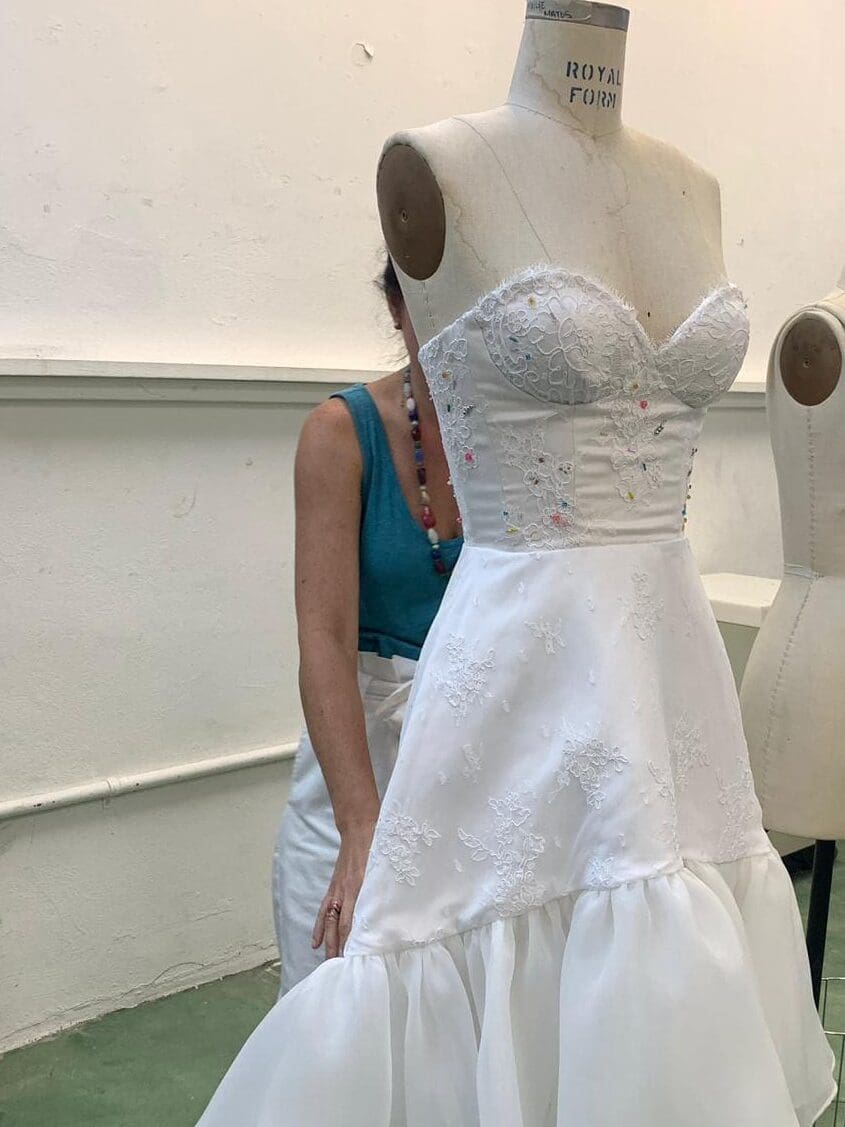
Most people assume branding is about aesthetics: the colors, the logo, the carefully curated feed. And while those things matter, they’re not what makes a brand hold together under pressure.
What does? Structure. Intention. The understanding that every visible detail is supported by something underneath it that most people never see.
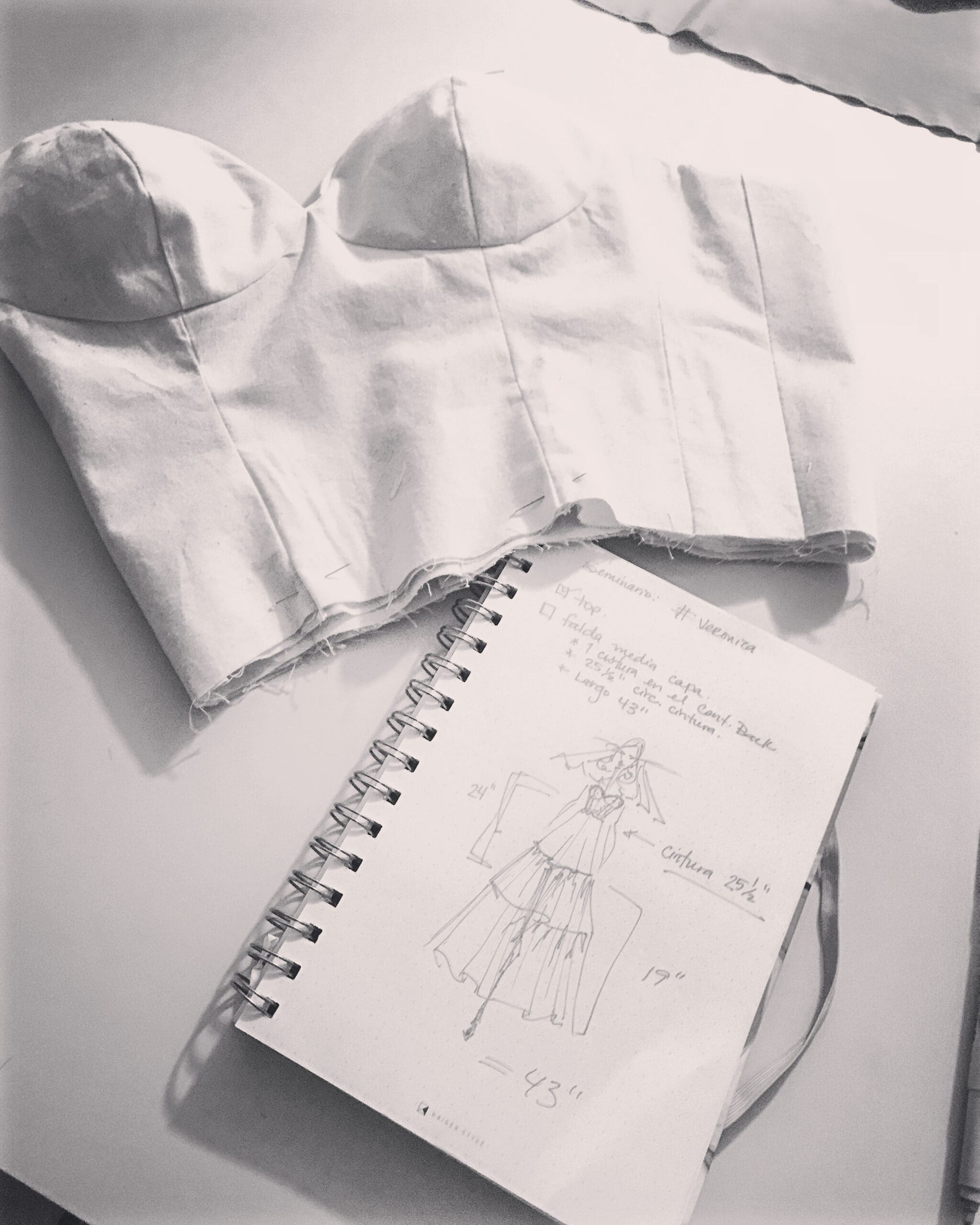
I learned that in fashion school. And it changed everything about how I build brands today.
Construction Before Aesthetics
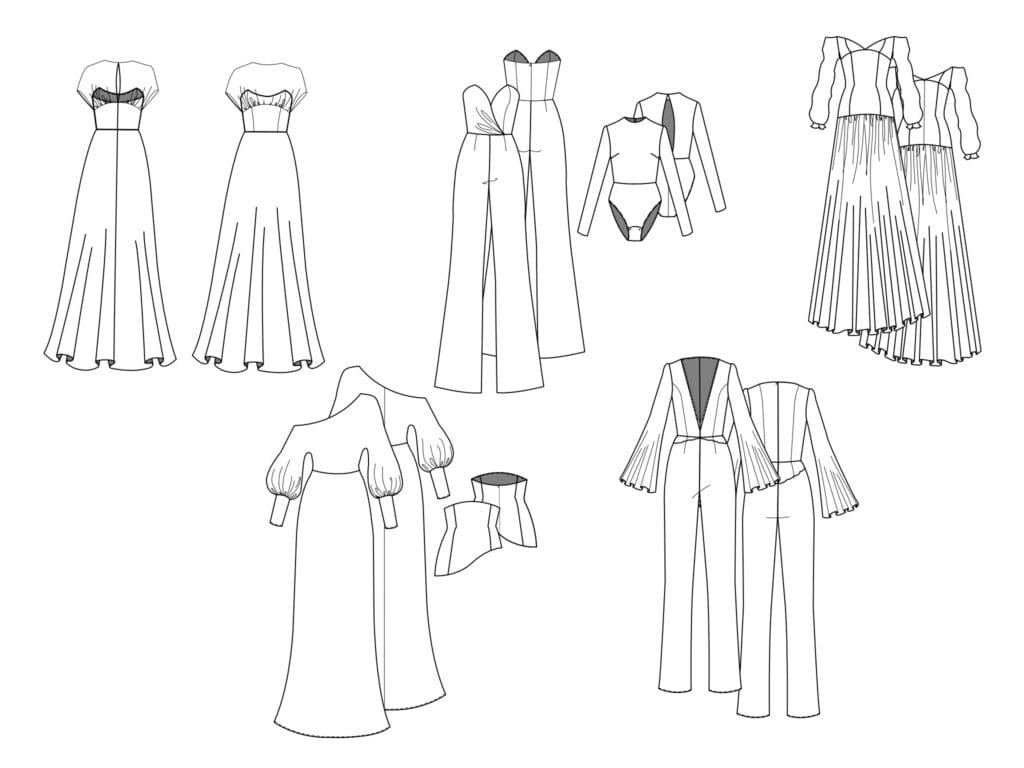
In fashion design, before you ever touch fabric, you learn about structure. You learn how a garment is built from the inside, meaning the interfacing that gives a collar its shape, the seams that determine how something drapes, the construction choices that decide whether a piece lasts one season or twenty years.
The most beautiful garment in the room can fall apart at the seams if the construction underneath it was rushed or ignored. The same is exactly true for brands.
A brand can have a stunning visual identity, think a logo that stops the scroll, a color palette that feels perfectly on trend, yet still fall completely flat in the market. I know because I’ve seen it happen. Early in my design career, I built a beautiful visual identity for a mobile bartending business. Full logo suite, custom illustrations, coordinated collateral. When he launched, nothing connected. No engagement, no traction, no community forming around what we’d created.
The aesthetics were there, but the structure underneath wasn’t.
That experience changed how I work permanently. Today, I don’t sketch a single concept before understanding what a brand is actually built on.
What “Structure” Means in Branding
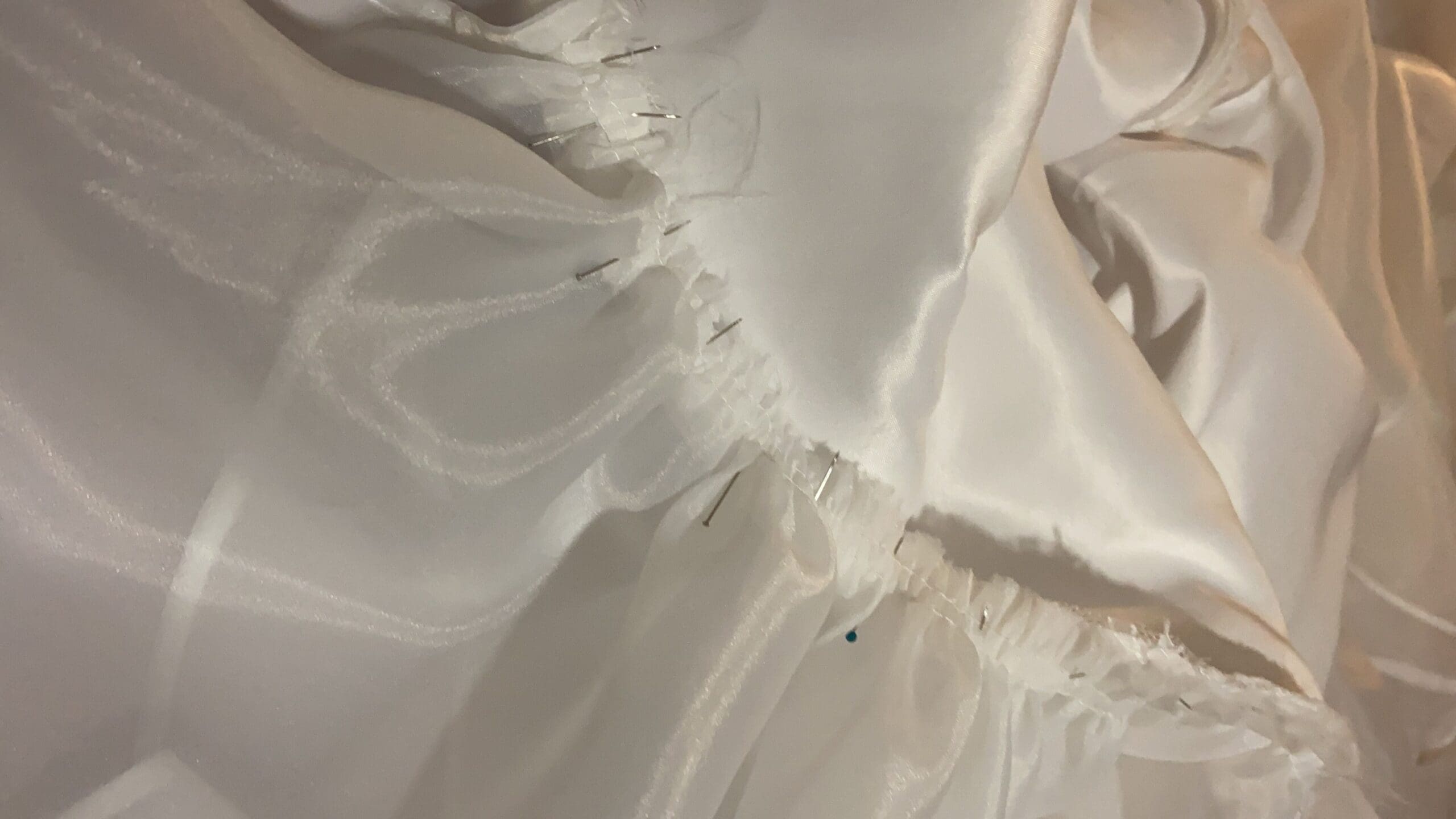
As mentioned before, in fashion, structure is the interfacing, the seams, the pattern. In branding, structure is your foundation, it answers to questions most founders either skip or rush through:
Why does this brand exist beyond making money? Who specifically does it serve, and what do they need to feel? What transformation does this brand promise, and can it actually deliver that consistently?
These aren’t abstract exercises. They’re the load-bearing walls of everything your brand does publicly. Your content, your visuals, your client experience, and your community–all of it sits on top of these answers. When the foundation is solid, everything above it has somewhere to land. When it’s missing, even the most beautiful surface work feels hollow.
This is especially true for community-driven brands. When your entire purpose is to create belonging–to make people feel seen, connected, and part of something, your brand’s foundation isn’t just a strategic asset but a promise. And your community will feel, quickly, whether that promise is built on something real or just well-designed.
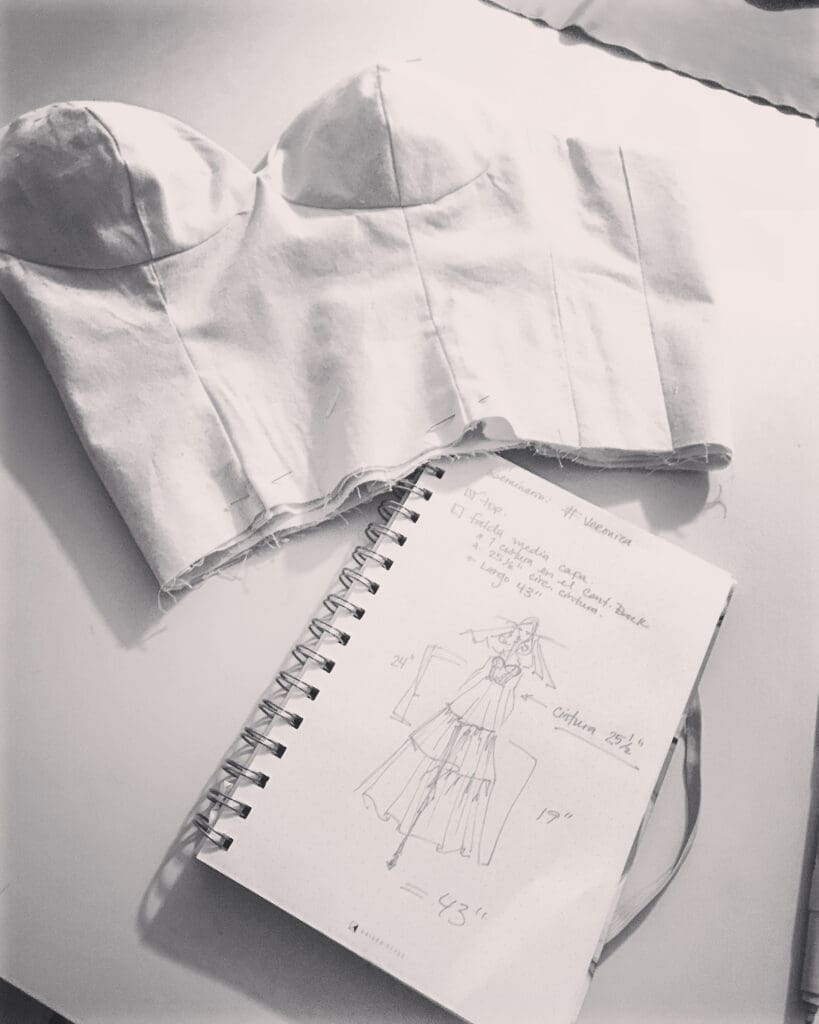
The Detail Work Is Never Decorative
Another thing fashion teaches you: in a well-made garment, nothing is purely decorative. Every button, every stitch, every seam finish serves a purpose. The details that look like style are usually also doing structural work.
The same principle applies to brand identity. The font you choose communicates something about your brand’s personality before a single word is read. Your color palette sets an emotional tone before someone has processed what you’re offering. The way you write your bio, structure your website, greet a new client–none of it is decoration. It’s all construction.
This is why I approach brand identity the way I do, not as a collection of pretty assets, but as a system where every element is doing intentional work. Where the visual language reflects the brand’s soul, and not just its aesthetic preferences.
What This Means for Your Brand
If you’re building a community-driven brand, here’s the most useful reframe I can offer:Before you ask “what should my brand look like?”, ask “what does my brand need to hold?” What weight is it carrying? What promise is it making? What does your community need to feel every single time they encounter you–and is your brand built to deliver that consistently, not just on the days when you feel inspired?
The answers to those questions are your structure. Everything else is the fabric you drape over it.
This week, pull up your brand and ask yourself honestly: if you stripped away every visual element, would the foundation underneath still hold? Would your purpose be clear? Would your community still know exactly what you stand for and why they belong with you?
If the answer feels shaky, that’s not a failure. That’s just your starting point.