
There’s an unspoken rule society hands us somewhere between graduation and our mid-twenties: by 30, you should have it figured out. Career, stability, purpose, you know, the whole package, neatly assembled. I believed it too. And for a long time, every detour I took felt like evidence that I was failing at the timeline everyone else seemed to be hitting perfectly.
But here’s what nobody tells you: the detours aren’t delays. They’re data.
The Clock Nobody Asked For
The moment you hit your twenties, an invisible clock starts ticking. You measure your progress against everyone around you, like who bought a house, who got promoted, who seems to have it all under control.
For creative and wellness professionals, this pressure hits differently. You’re expected to make work that sells, monetize your passion, and still love it enough to stay inspired years later. It’s a weight that quietly leads to one of two places: burnout, or a slow disconnection from the very thing that lit you up in the first place.
If you’ve ever felt like you missed your window, or like the version of you that was supposed to arrive by now is somehow running late, I want you to sit with this for a moment:
Alignment doesn’t happen on a schedule. And the path that looks the most indirect is often the one building the most important foundation.
What My Own Redirection Looked Like
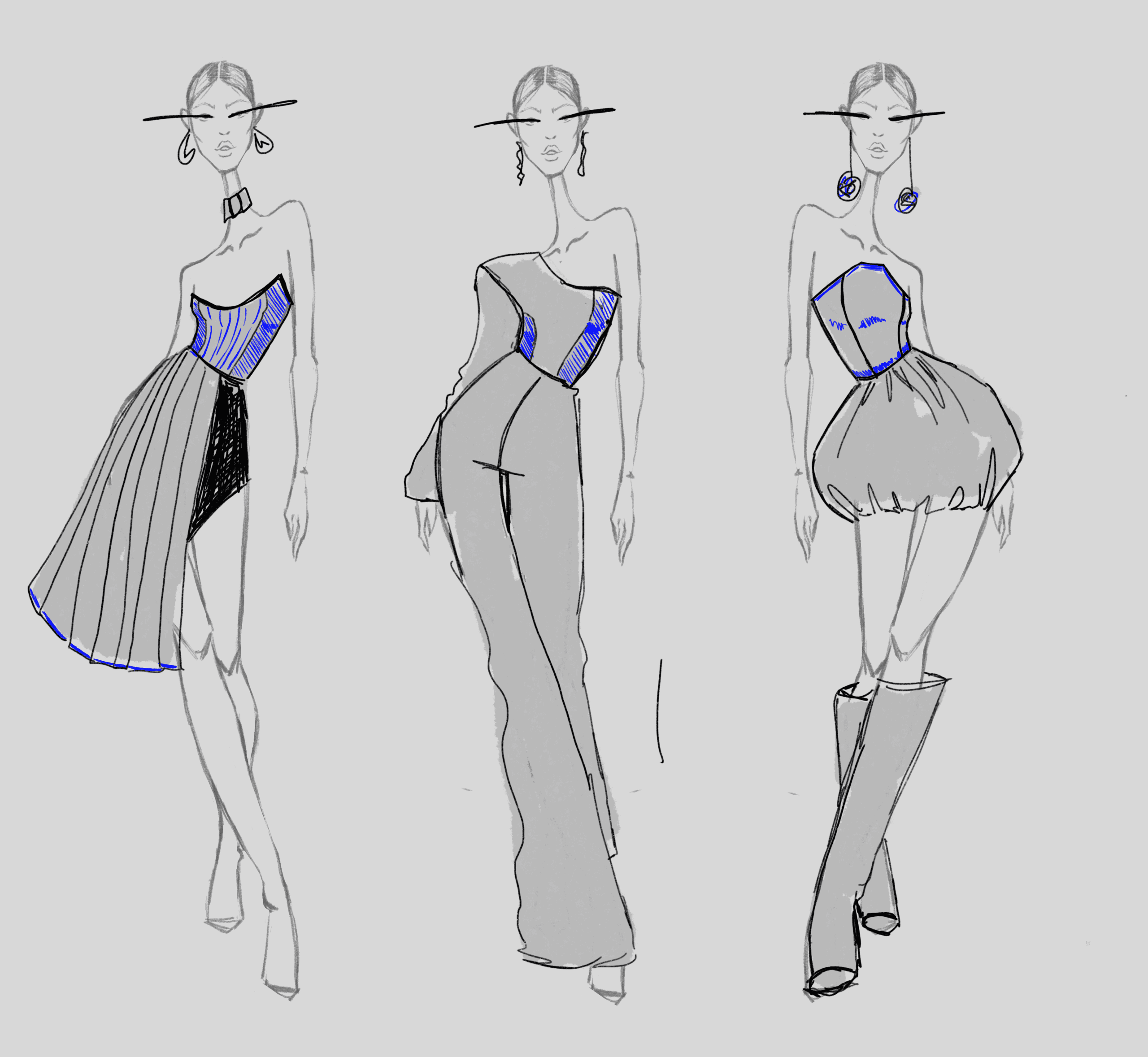
I spent seven years in fashion design. I moved cities, worked part-time through a BFA, graduated in the middle of a pandemic, started a handmade business from home, taught ESL to preschoolers, nannied full-time, moved states, bought a house, and then spent two years teaching high school art, and yes, crying on the way in and on the way home more times than I can count.
At 29, married and a homeowner, I was completely lost because I had spent so long following what made sense on paper that I stopped listening to what was actually true for me.
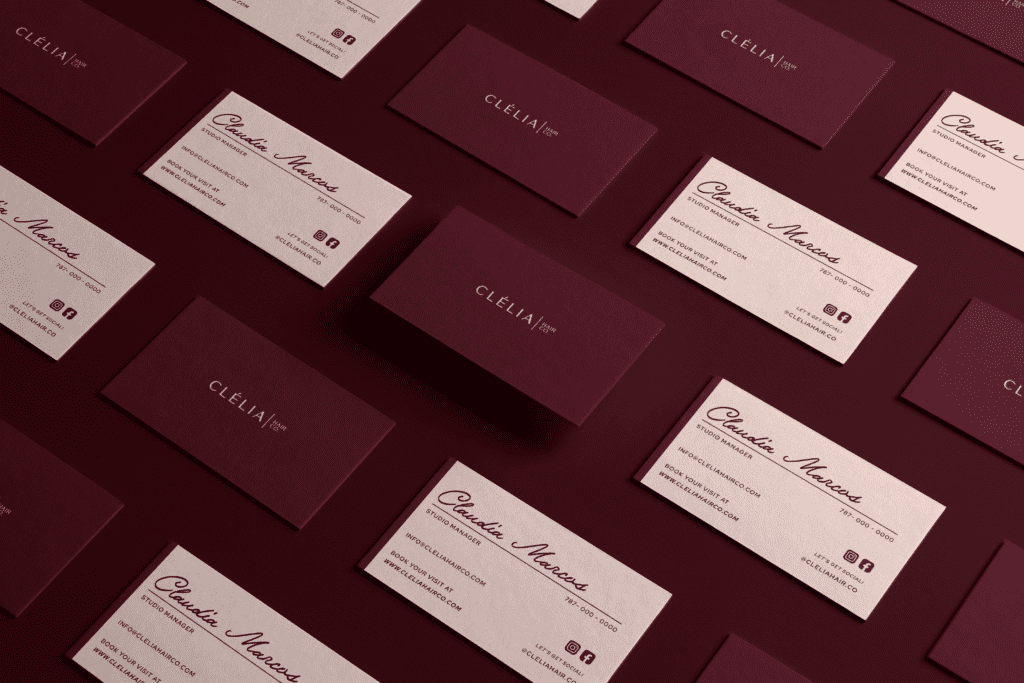
The redirection didn’t come as a dramatic moment of clarity. It came quietly—through Canva, of all things. I started creating content for my dad’s business and my own projects. I went back to Adobe after years away. Something reignited. My husband, a software engineer, saw the demand in his industry and encouraged me to explore graphic design seriously.
So I taught myself. And in that process, I found branding and learned more deeply about it.
That was the moment everything shifted. For the first time, I felt curiosity, excitement, and a sense of direction all at once. I also felt fear. My thoughts quickly went to: Is it too late? Will people think I’m lost? Am I wasting everything my parents invested in my education?
The fear was real. But the desire to feel genuinely inspired again was stronger.
What Redirection Is Actually Telling You
When your path changes (whether by choice or circumstance), it’s easy to read it as failure. Especially when you’ve invested years, money, and identity into something that no longer fits.
But every role, every unexpected turn, every season that felt like a step backward was quietly doing something: it was showing you what you value, how you work, what drains you, and what makes you come alive. That information doesn’t disappear when you pivot. It travels with you.
For me, seven years in fashion gave me an understanding of structure, construction, and how the details of something hold the whole thing together. That foundation didn’t go to waste when I moved into branding, but became the lens through which I see every brand I build. It’s literally the backbone of how I work today. It’s woven into my creative brain.
Your unconventional path isn’t a liability. It’s your point of view. And in a world full of brands that look and sound identical, a distinct point of view is one of the most valuable things you can have.
If You’re In the Middle of a Redirection Right Now
Here’s what I want you to take away, not as a motivational reminder, but as a practical reframe:
You are not starting from zero. You are starting from experience.
The question isn’t how do I catch up? The question is what has every chapter so far been teaching me, and how does that shape where I’m going?
This week, try this: write down the three roles, experiences, or seasons in your life that felt the most misaligned. Then next to each one, write one thing it taught you about what you actually need: in your work, your brand, or the way you want to show up. You might be surprised how much clarity is already sitting in what you thought were your wrong turns.
